Austria
 Belgium
 BosniaAndHerzegovina
 Bulgaria
 Croatia
 Czechia
 Estonia
 France
 Germany
 Hungary
 Ireland
 Italy
Italy
 Latvia
 Lithuania
 Luxembourg
 Netherlands
 Poland
 Portugal
 Romania
 Serbia
 Slovakia
 Slovenia
 Spain
Spain
 Swiss
Swiss
 Ukraine
 United Kingdom
 Australia
 China
China
 Georgia
 India
India
 Kazakhstan
 Singapore
 Thailand
 Turkey
 الإمارات العربيّة المتّحدة
 South Africa
 Canada
 Mexico
 USA
USA
 Brazil
 Chile
Chile

Hydraulic oils are not only lubricants: they play an integral part in hydraulic control and force transfer. This fact alone makes it clear that hydraulic oils are a fundamental component of the whole system. Hydraulic oils are an engineering element, just like pumps, tanks, cylinders, hydraulic lines and valves.
Renowned scientists brought this to light many years ago: the causes of about 80% of all pump failures in hydraulic systems are operational in nature /1/. A professional approach to hydraulic fluids, including regular oil monitoring and application-orientated oil care, can avoid well over half of all pump failures! In addition to observing the technical requirements of the fluid, correct storage and filling, particular focus should be placed on the ageing state and the contaminants of hydraulic oil. So it is not surprising that regular checks of the hydraulic oil based on laboratory analyses are now considered state-of-the-art and contribute to achieving the required operational reliability.
The 5 “W” questions before oil sampling
The meaningfulness and reproducibility of oil analyses stand or fall with the way the oil is sampled. Even the best analysis device in the world can assess only the oil that is made available to it. If the oil sample taken is not representative of the system and the problem, the information obtained from it may be of no use at all.
Before any samples are taken, the user should answer the following “W” questions:
- What is the oil analysis intended to determine?
- Where is the most suitable point from which to take the sample?
- When is the oil sample to be taken?
- With what should the oil sample be taken (and transported in)?
- What method is to be used to take the oil sample?
The first “What” addresses whether the analysis is performed at regular intervals for routine monitoring or is done to investigate a specific problem.
This “What” relates directly to the “Where”. For routine monitoring, the sampling location and procedure must always follow the same pattern. Otherwise, the monitoring may not be considered a meaningful indication of any trend. For example, the sample can be taken from the same place in the return pipeline on all occasions.
Specific problems may demand specially defined rules for the method of taking the oil sample, the scope of testing and the required size of the samples. A few examples:
- Investigating a situation where filters suddenly and repeatedly become blocked requires an oil sample taken from the system and a small “filter sample” (a piece of filter fleece a few centimetres in size for a filter debris analysis).
- The question of whether the oil is damaging a particular component because of the particles it carries can be answered by a sample taken directly upstream of the component, while a sample taken directly downstream provides answers about the wear on the component.
- An increased water content can be proven by a sample taken from the hydraulic oil tank.
- Samples taken at the same time upstream and downstream of a filter are used to assess its effectiveness.
The “When” mainly relates to the operating state of the system during the time when the sample is taken. For routine sampling, the ideal time is while the system is running, after it has reached its operating temperature during normal operation.
The “With what” and “What method” questions are particularly important when investigating hydraulic systems. The sample container should have an oil-tight closure, be oil resistant and (of course) be clean. The special sample containers made available by commercial laboratories are a good guide (Figure 1).
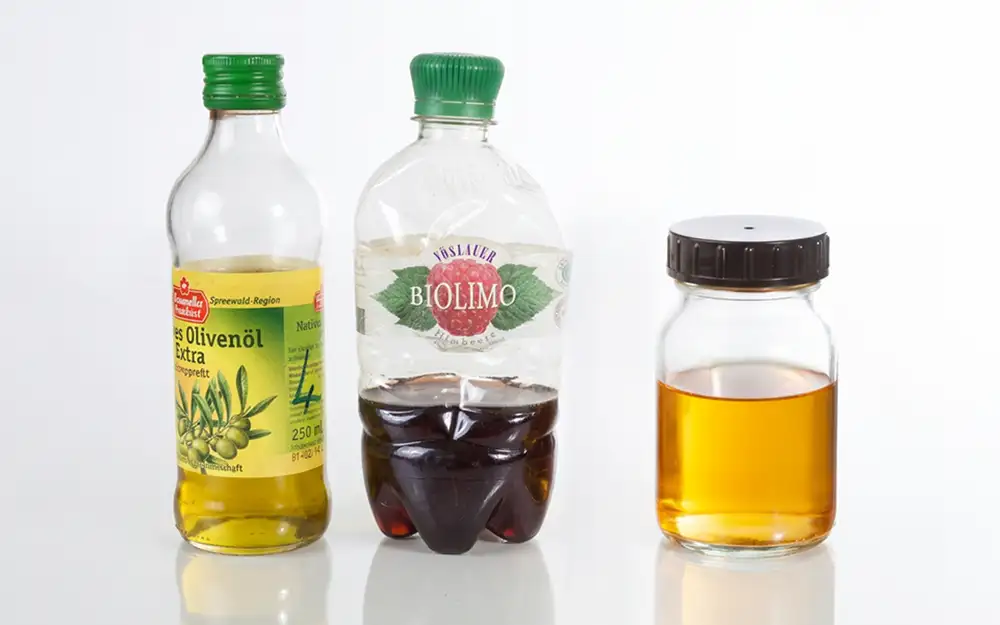
Figure 1: Sample containers: drinks bottle (unsuitable!) and laboratory container (suitable)
Hydraulic systems are under high pressure. The oil can also be at high temperatures. Safety must be taken into account here, alongside meaningfulness and reproducibility. Professional tools and a well-designed procedure ensure all three!
If a sample is to be taken from a hydraulic tank not under pressure, e.g. in order to determine the water content, the sample should be taken directly after switching the machine off. Manual vacuum pumps can also be used to deliver the oil directly into the sample container (Figure 2)
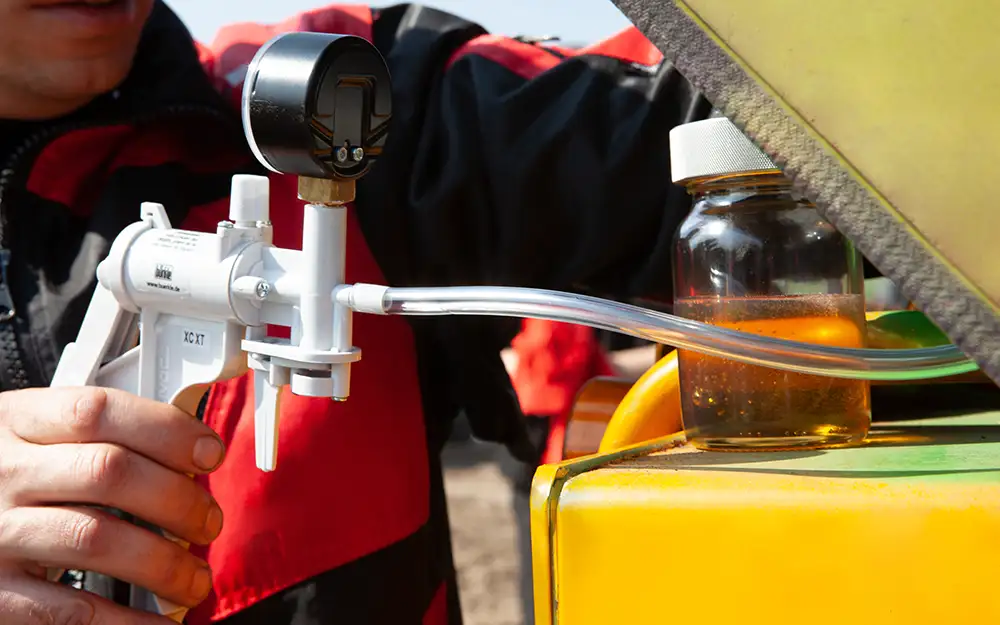
Figure 2: Taking a sample from a tank using a vacuum pump
A proven solution for trend analyses
For identifying trends, hydraulic samples should be taken during normal operation from the continuously circulating oil at operating temperature. Experience derived from taking many samples has led to a quasi-standard solution for sampling oil from hydraulic systems (Figure 3).
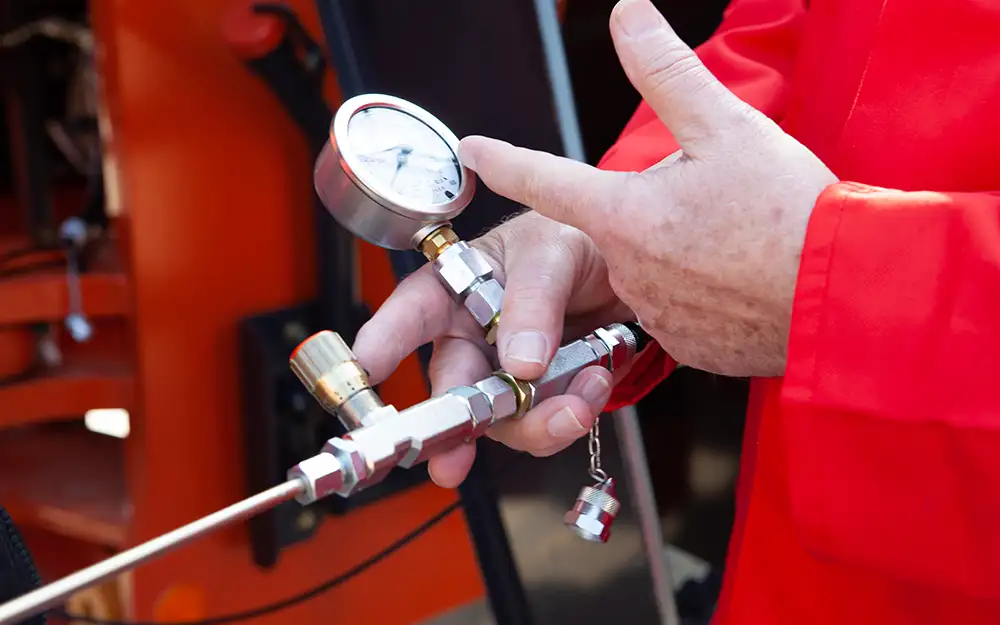
Figure 3: Sample taken on an operating machine using a pressure-reduction valve
The combination of a pressure-reduction valve and a gauge ensures a precisely measured pressure at the sampling point, thus optimally guaranteeing the safety of the operator.
Using this solution, we can take samples on an operating machine at points where the oil flow is turbulent. The following example impressively shows that only in this way can the oil sample be truly representative (Figure 4).
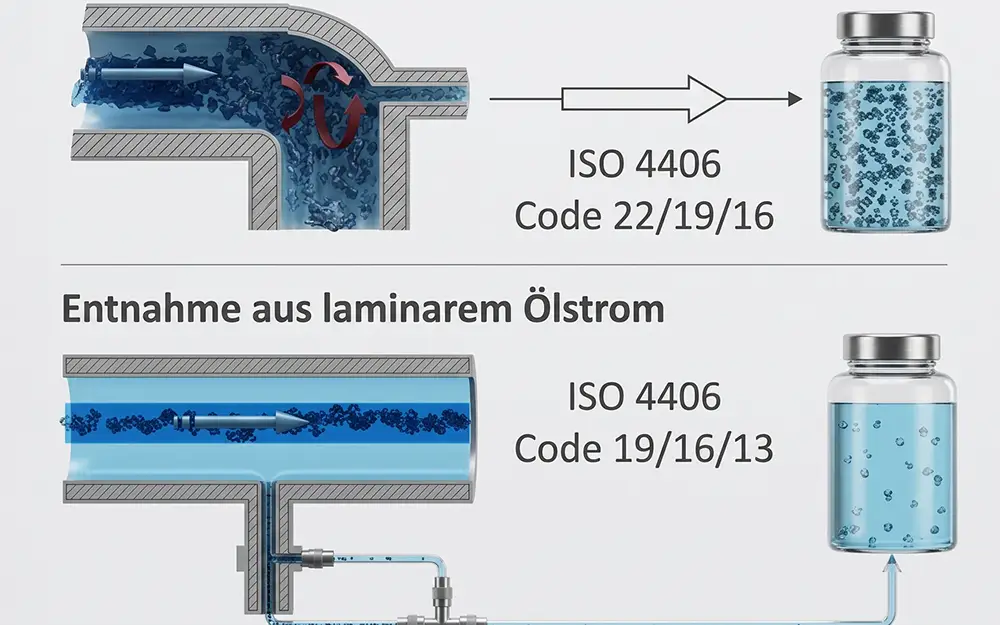
Figure 4: Dynamic sampling: turbulent versus laminar
It is important to flush the sample-taking components with the oil first. Only then may the sample container be filled with the oil.
Don’t forget: the information about the sample
In practice, the importance of information identifying the oil type and hydraulic system is often underestimated in the evaluation of oil analyses. Just like a consultation with your doctor: the more information the “oil-doctor” has about the patient, the type of oil, period of use and history (trend!), the more precise the diagnosis. For this reason, we recommend the use of sample submission forms or smartphone apps, which are made available by professional laboratories.
Conclusion
The quality and cleanliness of the hydraulic oil used are crucial parameters for the operational reliability, service life of hydraulic components, machine availability and cost-effective operation of hydraulic systems. Correct sampling ensures the meaningfulness of oil analyses, the early detection of contaminants and premature ageing of the oil as well as the safe and economic operation of hydraulic systems.
Worth noting: High oil cleanliness costs money… but maintenance costs even more…
-

Ulrich Hielscher
Managing Director of the International Hydraulics Academy
Bibliography:
[1] Totten, G.E.: Handbook of Hydraulic Fluid Technology,
CRC Press, 2011 (1999), ASIN: B00846WZ3W
[2] Hielscher, U.: Representative oil sampling carried out correctly.
Presentation at the OilDoc Conference and Exhibition, Rosenheim, 29 – 31 January 2019