Austria
 Belgium
 BosniaAndHerzegovina
 Bulgaria
 Croatia
 Czechia
 Estonia
 France
 Germany
 Hungary
 Ireland
 Italy
Italy
 Latvia
 Lithuania
 Luxembourg
 Netherlands
 Poland
 Portugal
 Romania
 Serbia
 Slovakia
 Slovenia
 Spain
Spain
 Swiss
Swiss
 Ukraine
 United Kingdom
 Australia
 China
China
 Georgia
 India
India
 Kazakhstan
 Singapore
 Thailand
 Turkey
 الإمارات العربيّة المتّحدة
 South Africa
 Canada
 Mexico
 USA
USA
 Brazil
 Chile
Chile
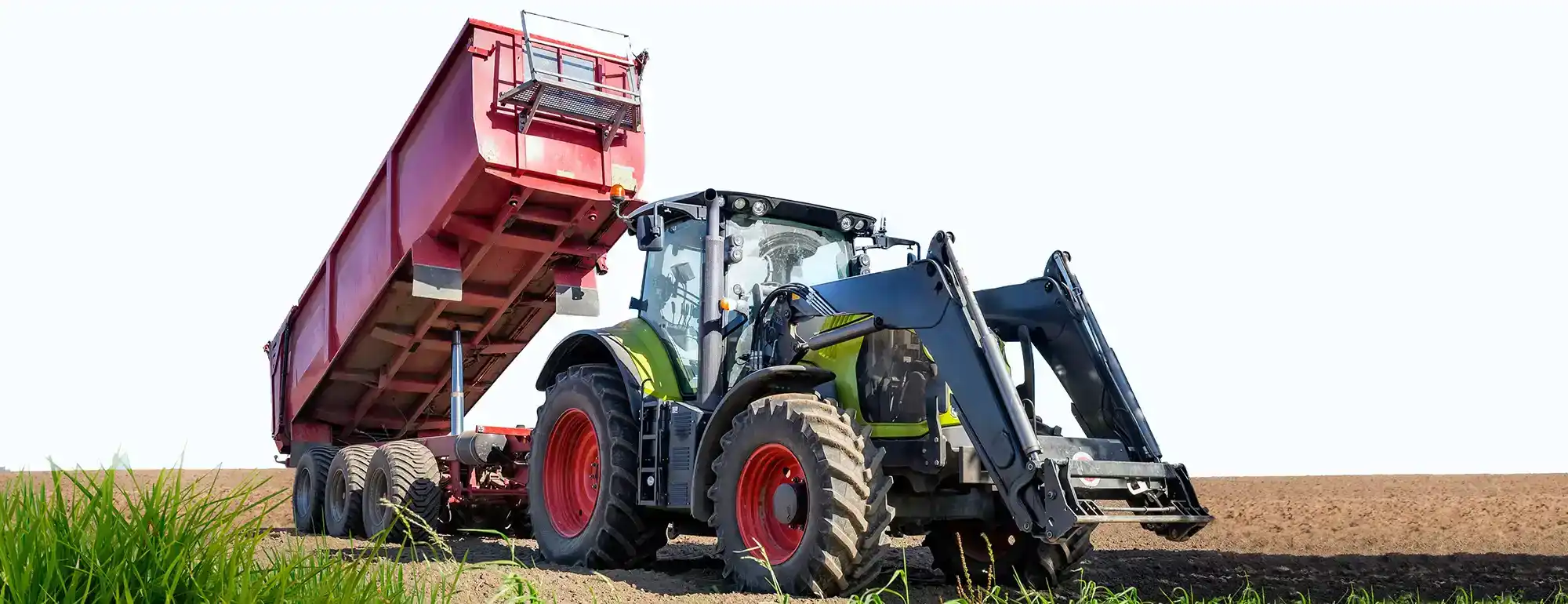
Machinery has to keep running. That applies particularly in agriculture and landscape gardening. Tight time windows for the harvest, preset deadlines, various locations and high capacity utilisation leave little room for unplanned stoppages.
The HANSA-FLEX service technicians from the mobile Rapid Hydraulic Service and the Industrial Service witness this situation practically every day: a lot of damage to hydraulic systems is not due to major defects but omitted checks, lack of lubrication or poorly performed cleaning.
Without doubt, high-pressure cleaners are in daily use. However, practical experience shows: cleaning is often thorough but subsequent steps are inadequately performed. At the same time, many manufacturers stipulate that high-pressure cleaners may be used only to a limited extent or not at all on certain areas of their machines.
Despite these stipulations, reality often appears to be different. After completing a project, the machine should be clean and make a good impression on the next customer.
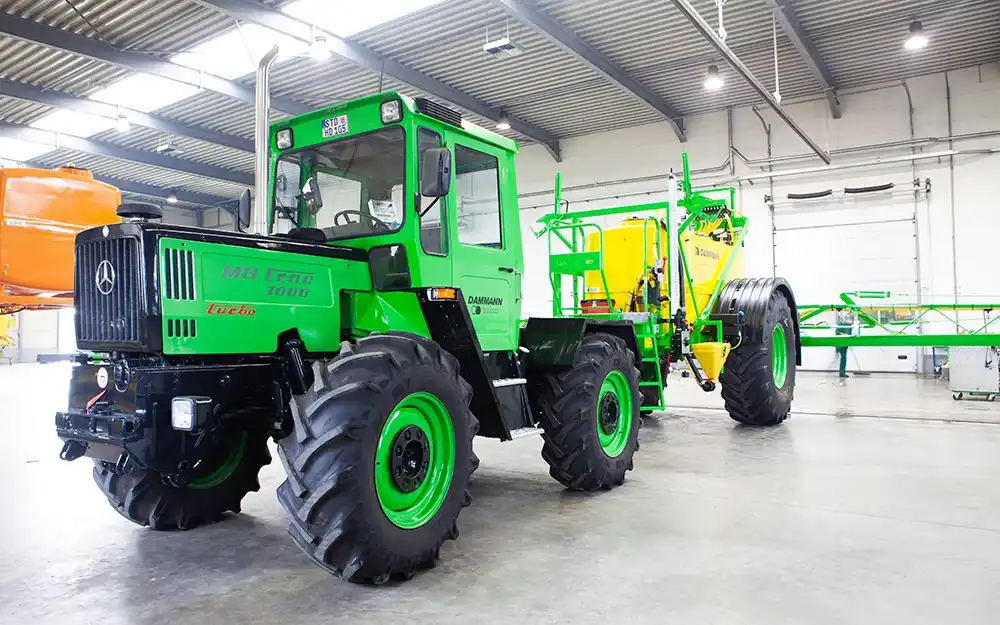
Three steps to improve the reliability of agricultural machinery: inspect, clean and lubricate
Before cleaning, check:
☐ Is the machine in good technical order?
☐ Does it have damaged wires, protective hoses or plug-in connections?
☐ Are all lubricating nipples present and accessible?
☐ Is there a lubrication plan?
☐ Is enough lubricating grease available?
☐ Are the grease guns and other tools ready for use?
After cleaning, do not forget to:
☐ Regrease lubrication points in accordance with the lubrication plan
☐ Check bearing points
☐ Check wires and plug-in connections
☐ Record any damage
☐ Prepare the machine for its next use
Why are the checks before cleaning so important?
Agricultural and construction machinery should be checked before cleaning for visible defects such as loose wires, damaged protective hoses, open plug-in connections and missing or dirty lubricating nipples. The reason is simple: any weak points can be made worse or concealed by the use of water, cleaning agents and pressure. Something that can be picked up before high-pressure cleaning is often more difficult to spot afterwards. A prior check therefore helps to discover damage early, reduce risks and prepare specifically for the necessary care and maintenance measures.
What are the risks of using high-pressure cleaners?
High-pressure cleaners loosen dirt, oil and residues of grease very effectively. And therein lies the risk: the waterjet can displace lubricants from joints, pins, bearings or guides, contaminate easily damaged seals and force moisture into areas that are not designed for direct cleaning at high pressure, or where protective covers are missing. Therefore always: keep the nozzle at a safe distance, adjust the pressure and never aim the waterjet directly onto seals, bearings, electrical components or lubrication points. Easily damaged areas should be cleaned by hand. A visual inspection and, if necessary, relubrication of the affected components are recommended after cleaning.
How does water or compressed air in bearings, plug-in connections and electrical components lead to problems?
Water displaces the required film of lubricant, combines with dirt and can promote corrosion. This leads to increased wear in bearings and joints. Water in plug-in connections or around sensors can lead to electrical contact problems, error messages or failures. Compressed air is not always beyond criticism either. It does not completely remove dirt. On the contrary, it can force dust, sand or other particles into bearing points, seals, plug-in connections and openings in housings. This can cause increased wear of seals, contamination of lubricants and damage to delicate components. Even though many agricultural and landscape gardening machines are robustly built, bearing points, seals, electrical connections, sensors and other sensitive components as well as housing openings should not be directly exposed to high-pressure water or compressed air. A gentler method of cleaning would be a better choice.
Why are low-voltage systems often adversely affected?
Tractors, agricultural machinery, wheel loaders, mini-excavators or their attachments often work using 12- or 24-volt systems. At first sight, this voltage would not appear to be vulnerable but electronics depend on clean contacts, unbroken wires and dry plug-in connections. Moisture can change contact resistance, initiate corrosion or disrupt signals from sensors and control devices. Therefore electrical components should be checked before cleaning, their direct exposure to waterjets limited to the minimum possible and rechecked after cleaning.
Why take note of lubrication points, nipples and plans beforehand?
Looking for lubrication points only after cleaning risks missing any lubricating nipples that have been left slightly concealed. In the worst case, water may enter the machine directly through poorly seated lubricating nipples. The lubrication plan shows the points to be lubricated, the lubrication intervals and type of lubricant. Check whether the lubricating nipples are present, accessible and intact before cleaning. After cleaning, they can be relubricated, which replaces lost grease and forces water out of critical areas.
What are the worthwhile preparations for cleaning?
It is worthwhile performing a quick visual inspection, taking a clear, sequential approach: bring the machine to a safe stop, find where dirt has accumulated, identify the sensitive areas, check for open plug-in connections and damaged wiring, have the lubrication plan to hand and prepare the necessary accessories.
What materials do I need?
The basics include suitable nozzles and jet tubes for the high-pressure cleaner, suitable cleaning agents, grease gun, lubricating grease and replacement lubricating nipples if necessary. Also required are clean cloths and brushes for the final cleaning in addition to personal protective equipment (gloves, goggles etc.).
Where can I obtain accessories for cleaning and lubricating?
HANSA-FLEX supplies accessories and tools, including rotating nozzles and jet tubes for cleaning (Cleaning technology | Buy now in the HANSA-FLEX Shop), lubrication technology such as grease guns, quick-disconnect adapters and various types of lubricating nipples (Lubrication technology | Buy now in the HANSA-FLEX Shop) as well as maintenance technology and assembly aids (Maintenance technology and assembly aids | HANSA-FLEX Shop).
What areas must be relubricated after cleaning?
After cleaning, all the lubrication points should be relubricated in accordance with the manufacturer’s requirements – in particular bearings, joints, pins, pivot points, guides, attachments and heavily exposed areas. Here what matters is not the amount of lubricant applied but ensuring the appropriate lubricant is applied at the right lubrication points at the specified intervals. After relubrication, any excess grease and dislodged dirt should be removed to prevent further build-up of dirt. Effective care and maintenance completes the cleaning operation.