Austria
 Belgium
 BosniaAndHerzegovina
 Bulgaria
 Croatia
 Czechia
 Estonia
 France
 Germany
 Hungary
 Ireland
 Italy
Italy
 Latvia
 Lithuania
 Luxembourg
 Netherlands
 Poland
 Portugal
 Romania
 Serbia
 Slovakia
 Slovenia
 Spain
Spain
 Swiss
Swiss
 Ukraine
 United Kingdom
 Australia
 China
China
 Georgia
 India
India
 Kazakhstan
 Singapore
 Thailand
 Turkey
 الإمارات العربيّة المتّحدة
 South Africa
 Canada
 Mexico
 USA
USA
 Brazil
 Chile
Chile
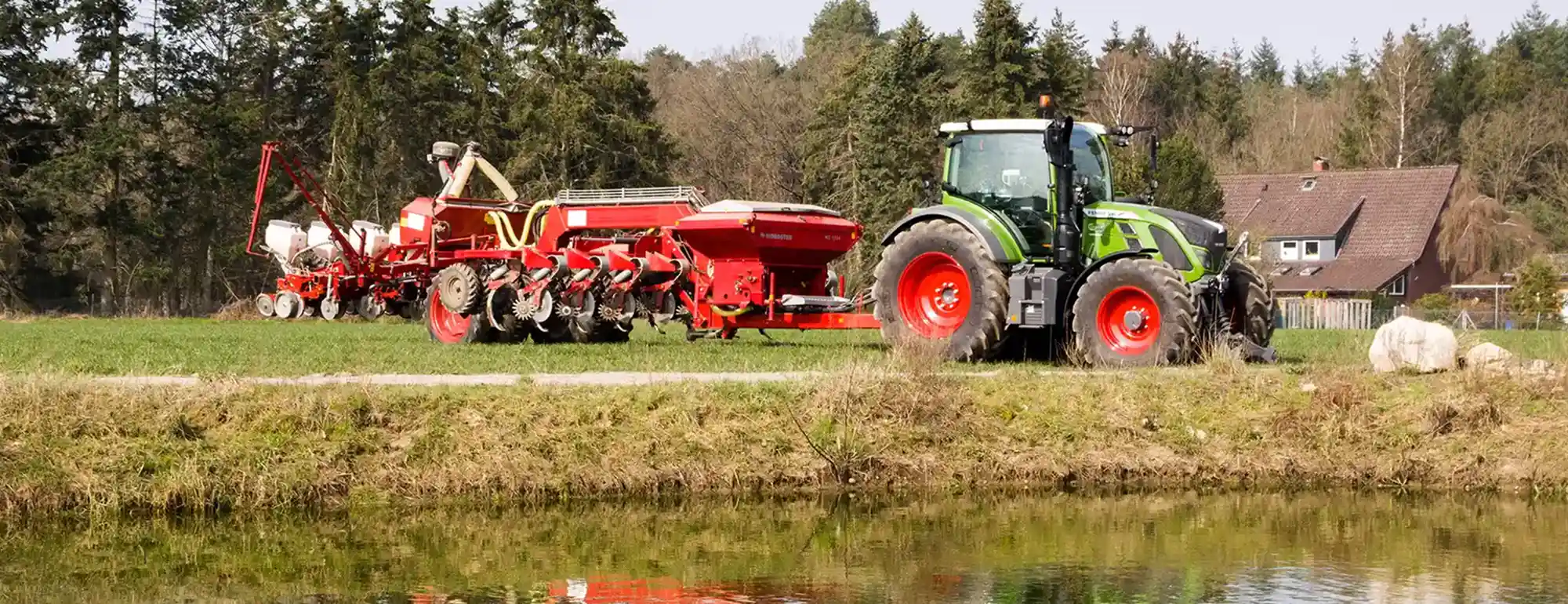
There are often only a few weeks of the year that decide whether a season will end in success. During harvesting, combine harvesters, tractors, forage harvesters and transport vehicles work around the clock. If one machine breaks down at this time, the whole harvest chain quickly comes to a standstill. In the worst case scenario, the entire logistics system around the harvest is brought to a halt. It is not uncommon for the cause of a seemingly minor fault to lie much further back in time, because the problem often begins in a place where hardly anyone suspects: in the hydraulic oil.
Hydraulic oil is much more than an operating medium. It transfers forces, lubricates components, protects against corrosion and transports heat. At the same time, it picks up even the finest metal particles, dust, moisture and the products of ageing. Even tiny traces of animal feed and fertiliser routinely get into the oil circuit. The consequences: the quality of the hydraulic oil changes with every hour of operation. These changes often remain unnoticed – until valves no longer close precisely, pumps lose their performance or components prematurely wear. In other words: machine availability is no longer assured, stoppages threaten the harvest.
A look inside the hydraulics
Unlike most sudden failures of mechanical components, defects in the hydraulic system often announce themselves well in advance. Tiny abrasion particles or an increased water content are early indicators of incipient wear. Recognising the signs means you can intervene before a small but conspicuous development becomes a costly breakdown, not only paralysing an individual agricultural machine but also bringing the whole harvesting chain to a standstill and endangering the crop yield.
Consequently, the analysis of hydraulic oil is gaining importance in modern agricultural engineering. A representative oil sample is essential for the analysis. Only if the sample is taken in the proper way can the results of the laboratory tests reflect the actual condition of the hydraulic system. They provide valuable information about wear, contaminants and oil condition and are a sound basis for deciding what maintenance to perform in order to ensure machinery is ready for action during the narrow harvesting windows.
Good to know: instead of maintaining machinery to a strict calendar, agricultural engineers are increasingly adopting an actual need approach. Parts are not replaced as a precautionary measure, but are serviced or replaced if the analysis reveals an actual need to act. This saves costs while significantly improving the performance of agricultural machinery.
How bypass filters sidestep impending wear
An oil sample always supplies only a snapshot in time. However, it is crucial to keep up the quality of the hydraulic oil over the long term. This is key to achieving less wear, longer service life and higher machine availability, particularly during the season when every operating minute counts.
This is where bypass systems in the hydraulic circuit play a crucial role. While the main flow filter retains coarser contaminants, a partial flow filter continuously cleans a proportion of the hydraulic oil in a bypass filtration system. This method removes even the finest particles, which are responsible for most of the wear. Depending on the type, a bypass system can also reduce the amount of moisture in the oil – another important contribution to prolonging the service life of hydraulic components in agriculture.
The result is not a spectacular visible effect, but one which is clearly noticeable in daily use: hydraulic systems work more reliably, valves remain precise in operation, pumps keep performing efficiently and the oil retains its properties over a longer period. For farmers, agricultural contractors and machinery hire companies this means: the risk of unplanned outages is much reduced. Agriculture has changed greatly over the years. Modern farming machinery is more efficient, yet has become more technically demanding. Breakdowns are therefore less likely to be rectifiable quickly and on site in the field. All the more important, therefore, to have a maintenance strategy in which problems are detected before they occur.
A holistic view of fluid management
Before each harvest, every farmer inspects the cutter bar on the header - a blunt blade is easy to spot. In the case of hydraulic oil, it is different: contaminants remain invisible but contribute just as much to wear. Therefore, oil deserves the same routine checks as the header because oil quality has a direct effect on performance, wear and the service life of hydraulic components.
However, a laboratory analysis alone is not enough. It is only the combination of properly taken samples, expert evaluation and the appropriate filtration measures that creates the preconditions for the long-term cleanliness of hydraulic systems.
With the Fluid Service, HANSA-FLEX manages the whole of this process: from the representative oil sample and the evaluation of the analysis results to customised filtration concepts with bypass filters and other solutions. A convincing maintenance concept is drawn up from individual servicing measures that will protect the machinery, reduce operating costs and increase availability. Especially in agriculture, the following saying applies: the best repair is the one that is not even necessary in the first place.
Environmental protection meets economic efficiency
A more than positive side-effect: with oil analyses and bypass filters, the interval between oil changes can be prolonged, which creates less waste oil and is kinder to the environment. Reduced oil consumption and less need for replacement parts contribute to lowering CO2 emissions, and the demand for energy and other resources. For example, each litre of saved oil avoids the emission of about 4.8 kg of CO2 (including manufacturing and disposal). At the same time, this approach increases the service life of agricultural machinery and its components while reducing maintenance costs.